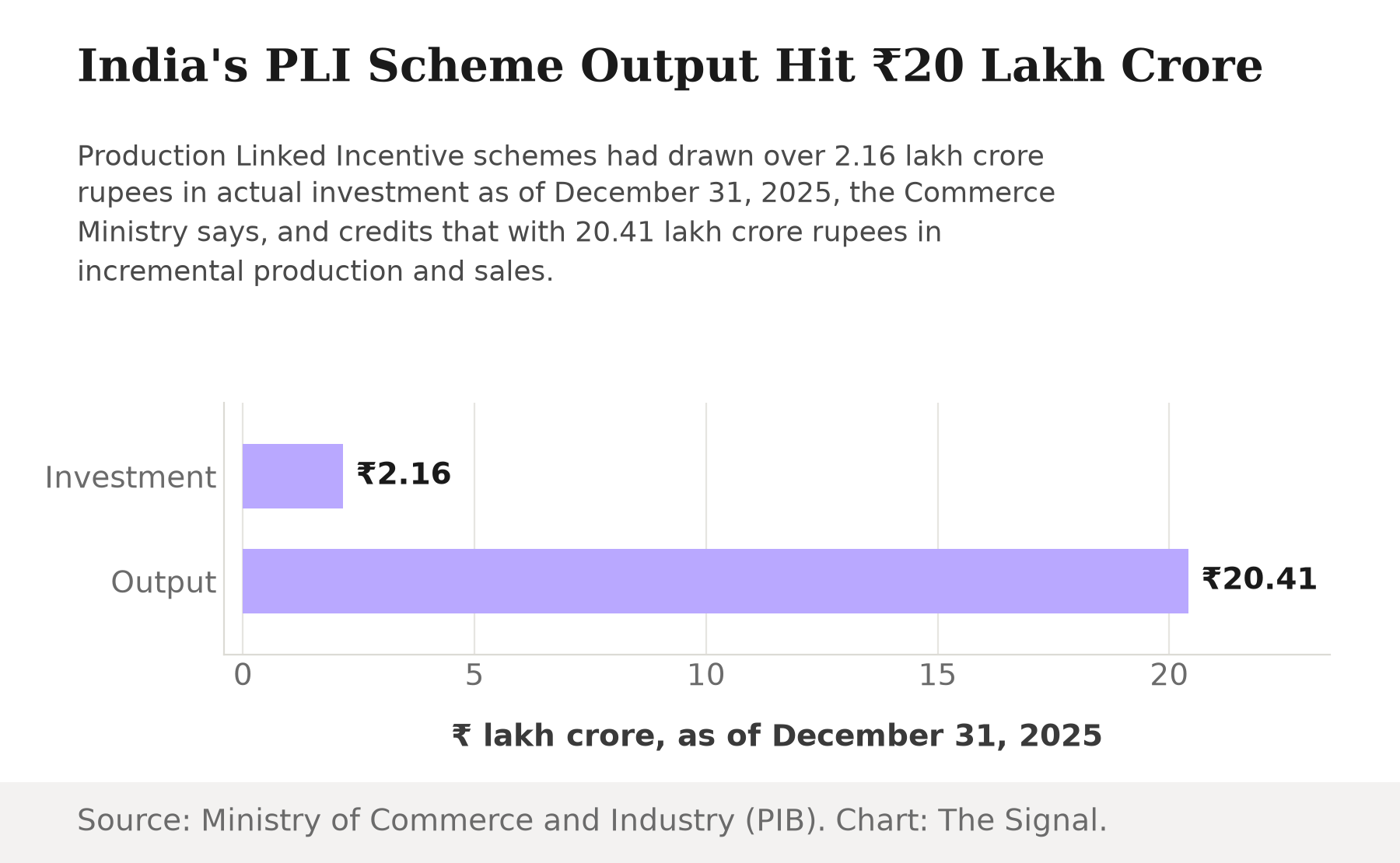
For the past several years, the case for moving manufacturing out of China and into India has rested on a simple bet: that Washington and Beijing would keep treating each other as rivals, and that every multinational hedging its China exposure would need somewhere else to go. India's Production Linked Incentive schemes have leaned on that bet directly. They had generated over Rs 2.16 lakh crore in actual investment and Rs 20.41 lakh crore in incremental production and sales as of December 31, 2025, the Commerce Ministry says. Apple has leaned on the same logic even harder: it assembled about 55 million iPhones in India in 2025, roughly a quarter of the 220 million to 230 million it made worldwide. Read only those two numbers and the China+1 story looks like exactly what it promises: capital and factory floors quietly rerouting away from an adversarial China and toward a friendlier India.
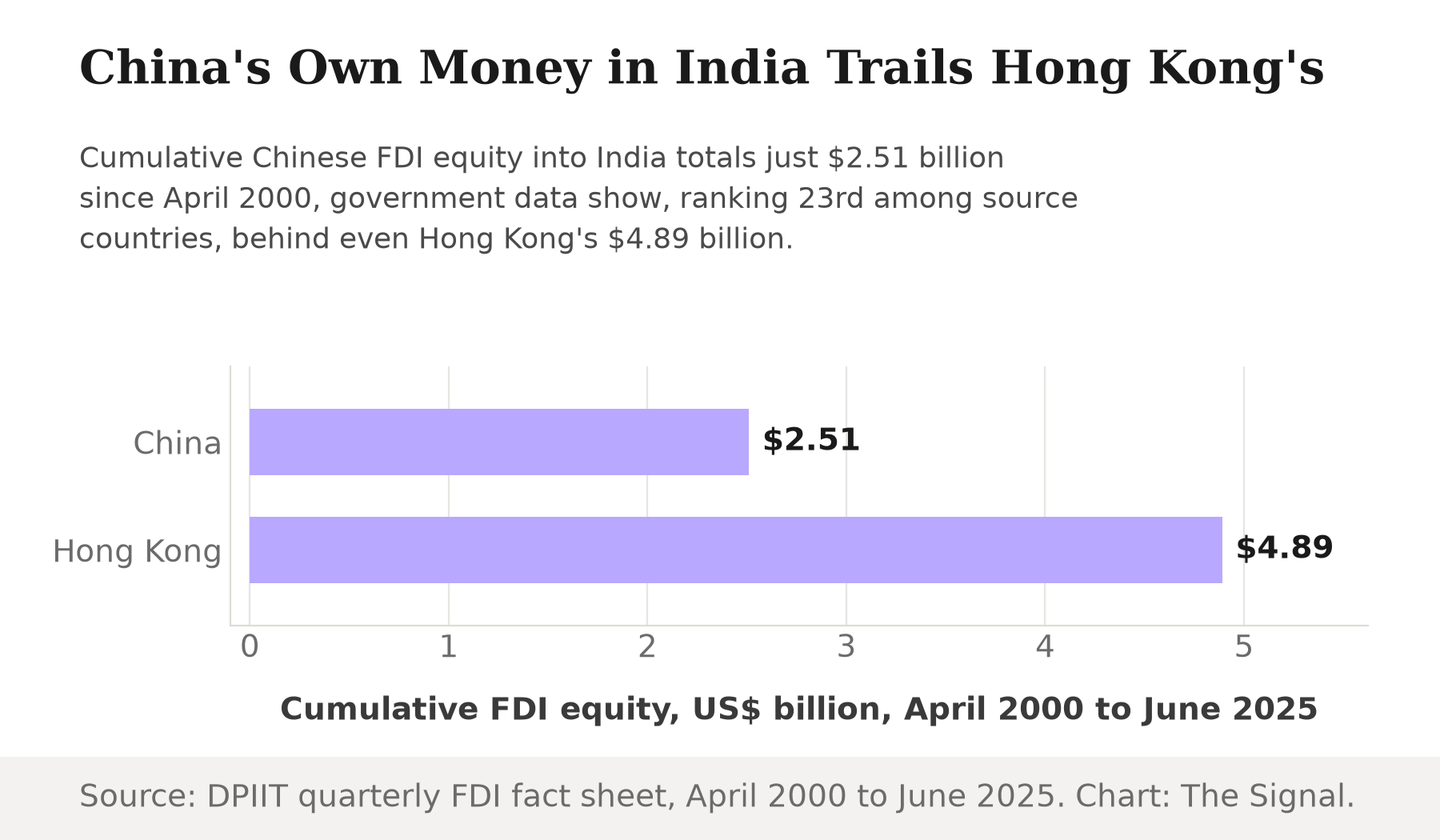
It is worth slowing down on that word, adversarial. Strip out the assumption that Washington and Beijing are locked into permanent rivalry, and a strange fact sits underneath India's own pitch: China itself has barely put a rupee into it. Cumulative Chinese FDI equity into India totals just $2.51 billion from April 2000 to June 2025, the latest government data show, ranking China 23rd among all source countries, behind even Hong Kong's $4.89 billion over that same period. The "plus one" in China+1 was never Chinese capital arriving in India. It was Western capital leaving China, on a bet about how the two largest economies would treat each other going forward. That bet is now being tested in public, this week.
India's own China problem is getting worse, not better
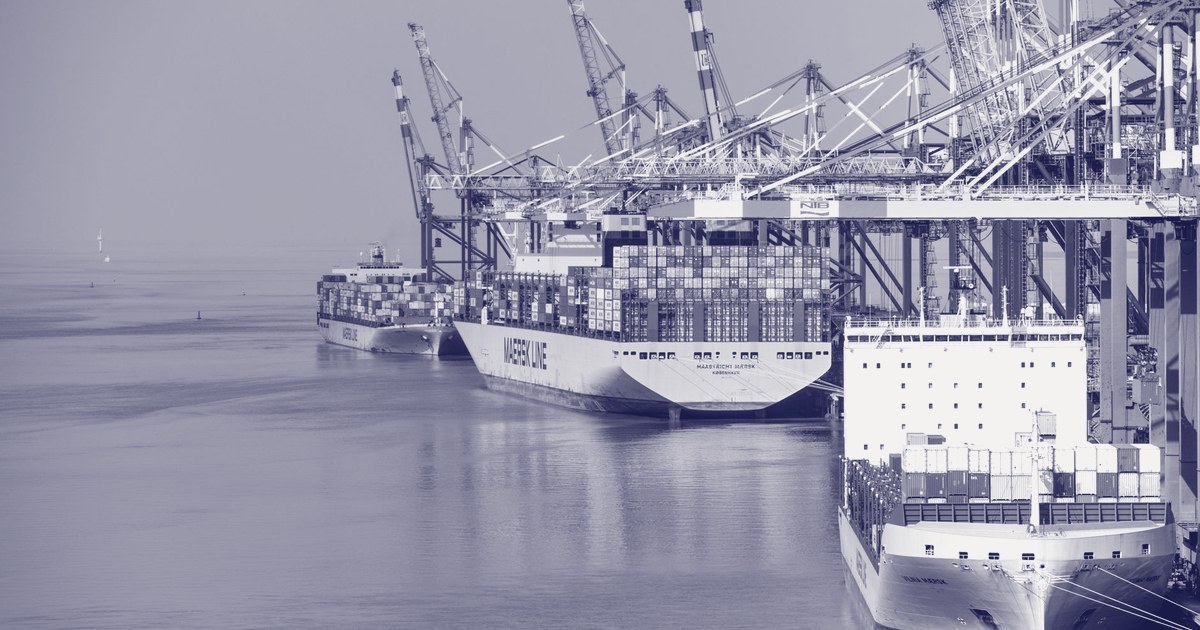
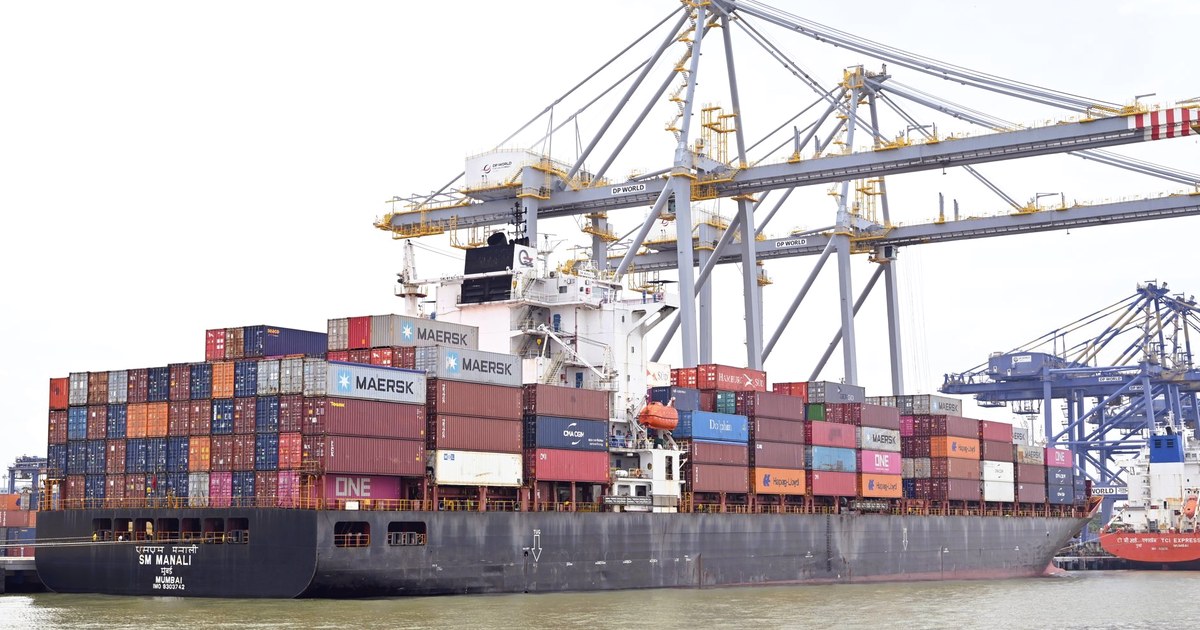
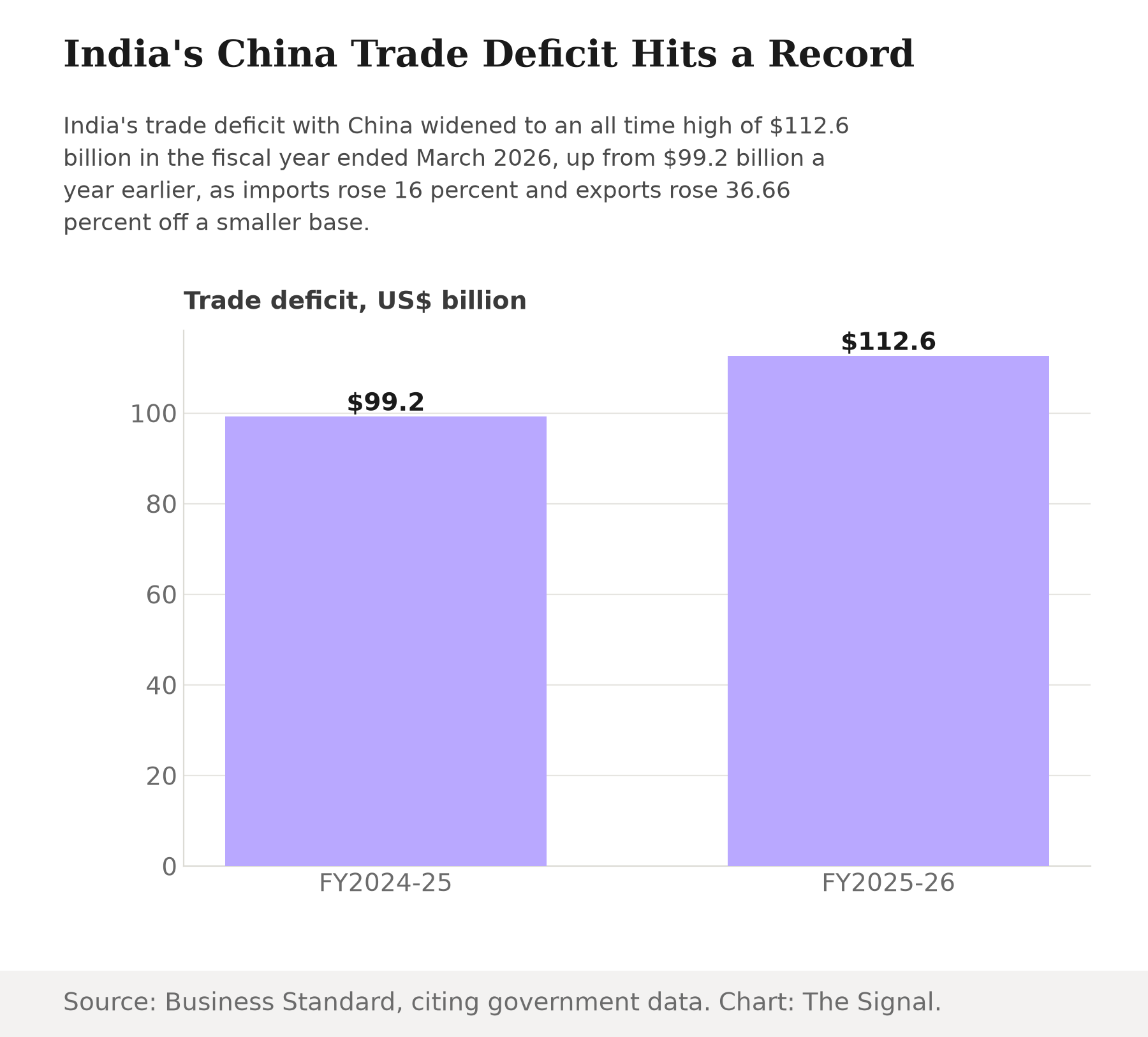
The awkward part is that while Western firms diversify manufacturing toward India, India's own trade relationship with China has deepened rather than loosened. India's trade deficit with China widened to an all-time high of $112.6 billion in the fiscal year that ended in March 2026, up from $99.2 billion a year earlier, as imports rose 16 percent to $131.63 billion and exports rose 36.66 percent to $19.47 billion. In the same fiscal year, China overtook the United States as India's largest trading partner, with $151.1 billion in two-way trade. The country marketing itself to the world as the alternative to Chinese manufacturing is, by its own trade numbers, more entangled with China than ever.
Washington is rolling out the red carpet
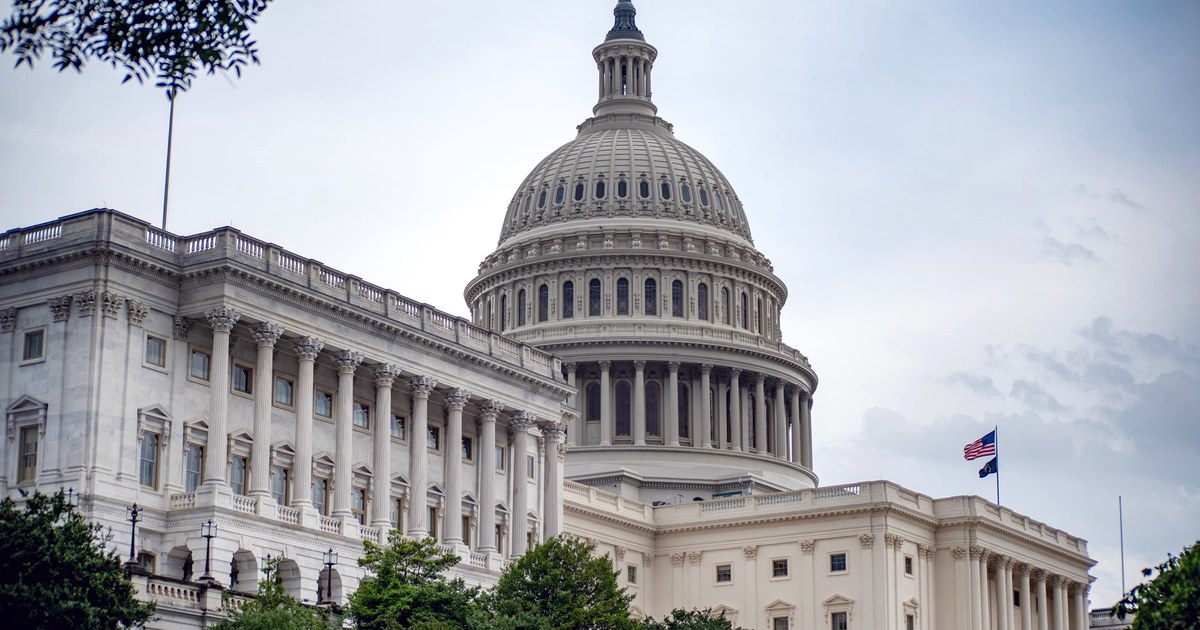
Set against that backdrop, this week's diplomacy looks less like routine statecraft and more like a genuine thaw. This Thursday, the White House says its State Arrival Ceremony for Xi Jinping will feature 479 US military personnel representing every branch of the armed forces, concluding with a flyover of a B-2 Spirit stealth bomber and four F-22 Raptors. That pageantry did not appear from nowhere. Following a Trump-Xi meeting in South Korea, China agreed on November 1, 2025 to suspend the sweeping rare-earth export controls it had announced weeks earlier and to lift every retaliatory tariff it had imposed since March 2025. Six months later, at a Beijing summit in May 2026, China went further, committing to buy at least $17 billion a year of US agricultural products through 2028, on top of the soybean purchases it had already pledged. A bomber flyover, a tariff truce, and a multi-year farm-purchase commitment are not the moves of two governments settling into a cold war.
The clock India should actually be watching
The thaw has a deadline, and it is close. China's commerce ministry suspended its rare-earth export controls for exactly one year, through November 10, 2026, per its official notice, which is barely seven weeks from today. Whether that reprieve is renewed or allowed to lapse is the first real test of whether September's pageantry becomes durable policy or stays a photo op. The underlying imbalance the truce is managing has not gone away in the meantime: the United States still ran a $202.7 billion goods trade deficit with China in 2025, with exports of $106.0 billion against imports of $308.7 billion. A one-year truce over rare earths and tariffs does not erase a gap that size. It postpones the argument about it.
The honest objection
The strongest case against reading this as a genuine rivalry-easing is that a one-year suspension is not peace, it is a pause with a fuse. The rare-earth reprieve runs out November 10, 2026, and if Beijing lets the export controls snap back, the exact supply-chain vulnerability that first pushed manufacturers to diversify returns immediately, undiminished by six months of state dinners. On that view, Apple and the PLI-backed factories are not betting the rivalry is ending, they are pricing in a recurring risk that a truce briefly suspends and could resume at any point after November 10.
That case is real, and no one should assume the truce survives its own deadline. But it explains caution, not indifference: a government does not stage an elaborate honor guard and a military flyover for a rival it plans to keep at arm's length, and it does not lock in years of farm purchases as a bargaining chip it intends to abandon within weeks. A relationship being actively managed downward looks different from one leaders are actively investing political capital to stabilize. Washington is doing the second thing, visibly, this week.
The Signal
None of this unwinds the investment India has already banked. The factories are built, the PLI money is committed, and Apple's India output is not moving back to China on the strength of one White House dinner. What the thaw threatens is the next round of decisions, the ones multinationals have not yet made, which were priced on an assumption of continued US-China friction that looks shakier by the week. Watch November 10. If the rare-earth suspension rolls over quietly, the truce is becoming the new normal, and India's pitch will need a sharper argument than Chinese hostility. If it lapses and tariffs snap back, the case that first sent manufacturers to India returns intact, and this week's ceremony will read as theater. Either way, the diversification story India has been telling investors was never really a story of China's own rivalry with itself. It was a story of China's rivalry with America, and America just sent Xi Jinping a bomber flyover.
Reporting basis: the details of Xi Jinping's September 2026 state visit and its military honors are from the White House's own announcement. The November 2025 tariff and rare-earth truce, and the May 2026 agricultural purchase commitment, are both from White House fact sheets on those respective agreements. The rare-earth suspension's November 10, 2026 expiry is per China Briefing (Dezan Shira & Associates), citing China's Ministry of Commerce Announcement No. 70 of 2025. The 2025 US-China goods trade deficit is from the US Census Bureau's own trade balance data. China's cumulative FDI equity into India is from DPIIT's quarterly FDI fact sheet, a primary Indian government filing. India's PLI investment and production figures are from a Ministry of Commerce and Industry press release via the Press Information Bureau. Apple's India-assembled iPhone volume is per TechCrunch, citing Bloomberg's reporting. India's trade deficit with China and China's status as India's top trading partner are per Business Standard, citing government trade data. The seven-week gap to the truce's expiry is The Signal's calculation from today's date and the November 10, 2026 deadline.