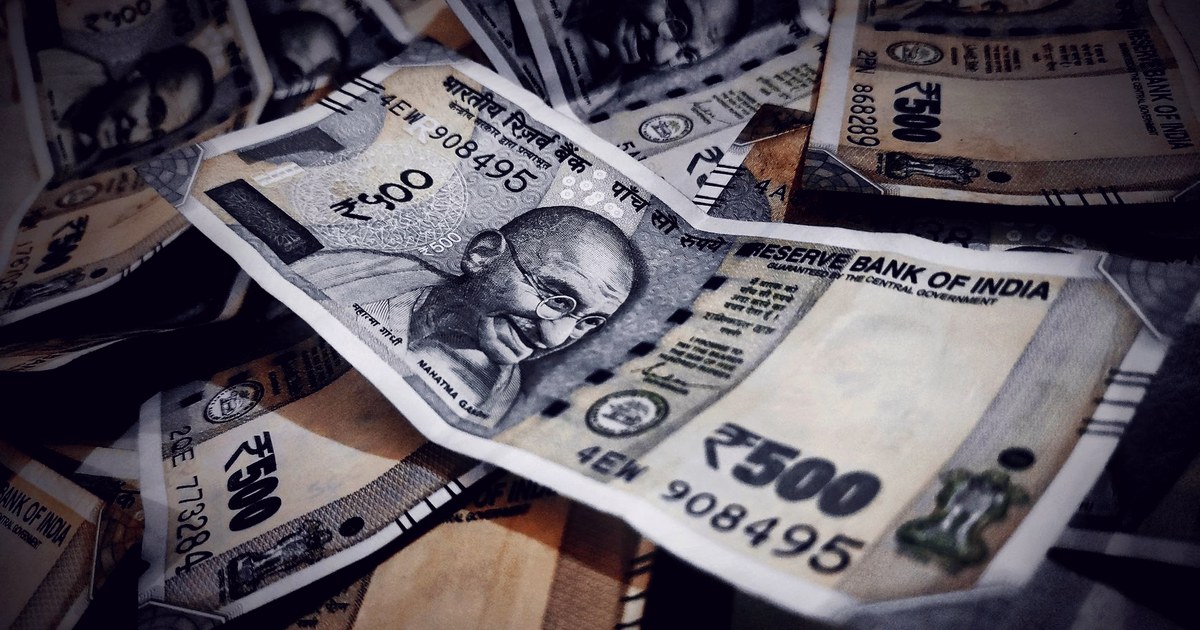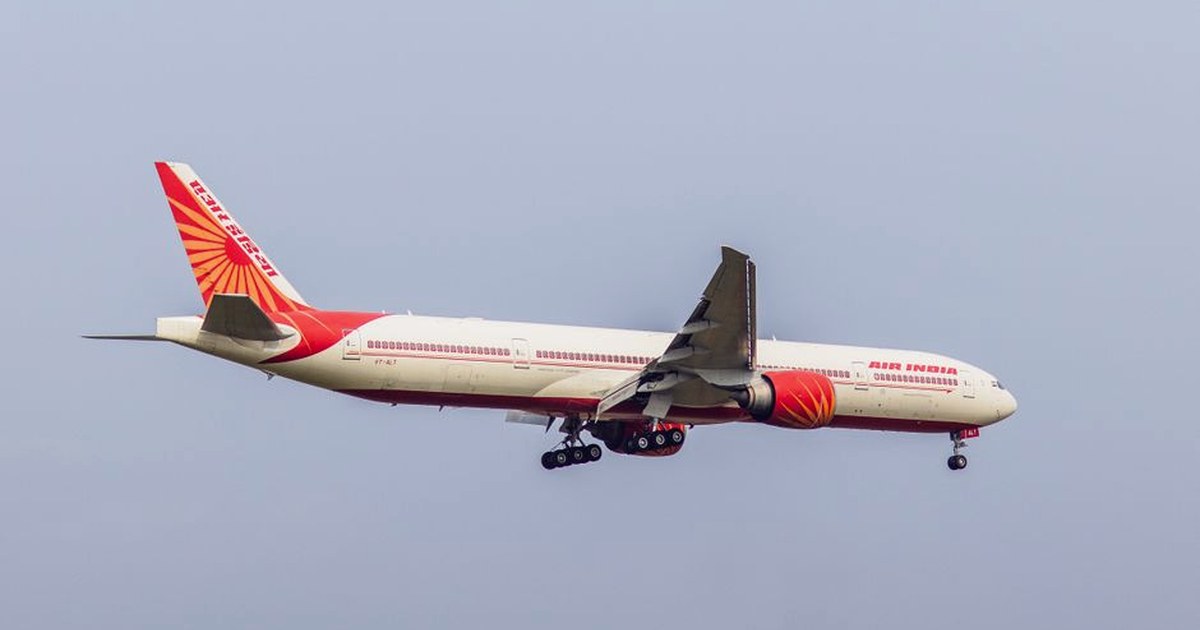
Tata Sons and Singapore Airlines are preparing to send Air India roughly Rs 10,000 crore, about $1.1 billion, in fresh financial support, Bloomberg reports, in coverage carried by Business Today, after the airline's loss for the year ended March 2026 exceeded Rs 22,000 crore. Read that on its own and it looks like more of the same: the owners have covered Air India's losses before, and this is simply the next instalment in a turnaround that everyone already expected to run on patient capital. Tata Sons and Singapore Airlines already put in a combined Rs 9,558 crore of fresh capital the year before, in FY2024-25, and that money arrived with no comparable structure attached.
It is worth slowing down on how this one is structured. The funding will be linked to performance milestones and released in installments, proportional to each owner's stake, Tata Sons' 74.9 percent and Singapore Airlines' remaining share. That is a meaningfully different instrument from a straight cash infusion. Money that arrives only when targets are hit is money with an off switch.
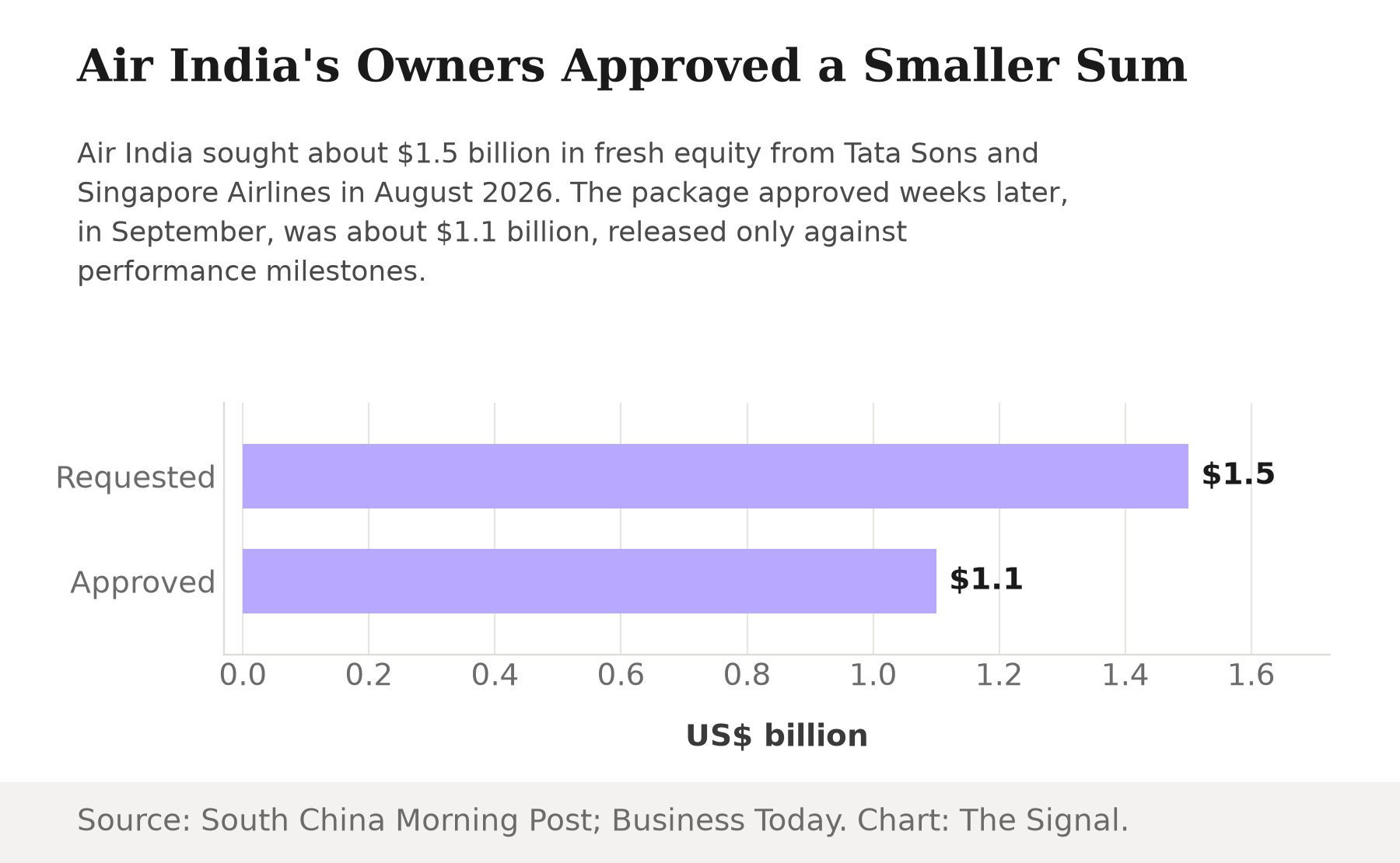
Air India's request for fresh equity from Tata Sons and Singapore Airlines was for about $1.5 billion, first reported by Reuters. The package now close to approval is about $1.1 billion. Both figures sit in the same August-to-September 2026 window, so the gap is not inflation or a currency swing: the ask simply came back smaller, and with strings on top of it.
The losses are bigger than the aid covers
Air India's request for about US$1.5 billion in fresh equity from owners Tata Sons and Singapore Airlines came against a backdrop where the combined losses of Air India and Air India Express reached $2.33 billion in the year to March 2026. Set against that, the roughly $1.1 billion now on the table covers less than half of what the two airlines lost in a single year. The owners are not funding a return to break-even, but a slower rate of loss, on their own terms.
| Figure | Amount | Period | Source |
|---|---|---|---|
| Air India's loss | over Rs 22,000 crore | Year ended March 2026 | Bloomberg, via Business Today |
| Air India + Air India Express combined losses | $2.33 billion | Year to March 2026 | Reuters, via South China Morning Post |
| Requested equity infusion | about $1.5 billion | August 2026 | Reuters, via South China Morning Post |
| Approved aid package | about $1.1 billion (Rs 10,000 crore+) | September 2026 | Bloomberg, via Business Today |
Source: South China Morning Post; Business Today.
Why conditions, and why now
The shift is clearer against where this started. In Air India's initial approach to its owners in late October 2025, officials said it was up to the owners to decide whether the funding would be provided through an interest-free loan or equity: the structure itself was an open question, and nothing in that framing pointed to milestones or instalments. Less than a year later, the structure is settled and it is the strict version: proportional, staged, and tied to performance.
The timing lines up with Tata Sons' own regulatory position tightening. The Reserve Bank of India's list of Upper Layer NBFCs for 2026-27, published 6 August 2026, includes Tata Sons Private Limited, the category reserved for the largest, most systemically significant non-bank finance companies. The RBI noted that the listing is without prejudice to Tata Sons' pending application to de-register as a Core Investment Company, meaning the group's own capital-holding structure is still under active regulatory review even as it commits fresh capital to Air India. A parent under closer supervision of its own balance sheet has more reason to make its subsidiary's cheques conditional, not less. The scrutiny is not a question of capacity: Tata Sons' own consolidated net worth stood at Rs 3,17,881.24 crore as of March 2025, more than 30 times the size of the roughly Rs 10,000 crore package now going to Air India. Tata Sons chose discipline here; it did not need to, given the numbers.
Singapore Airlines is absorbing the cost too
The pressure is not only on the Tata side of the table. Singapore Airlines Group's net profit fell 57.4 percent to S$1,184 million in the financial year ended March 2026. A year earlier the Group had booked a share of profits from its associated companies; this year that flipped to a S$846 million loss, because the Group booked a full year of Air India's losses instead of only four months the year before. The drag did not stop there. In the quarter ended 30 June 2026, SIA Group swung to a S$76 million net loss, a deterioration driven in part by a higher share of losses from Air India of S$42 million.
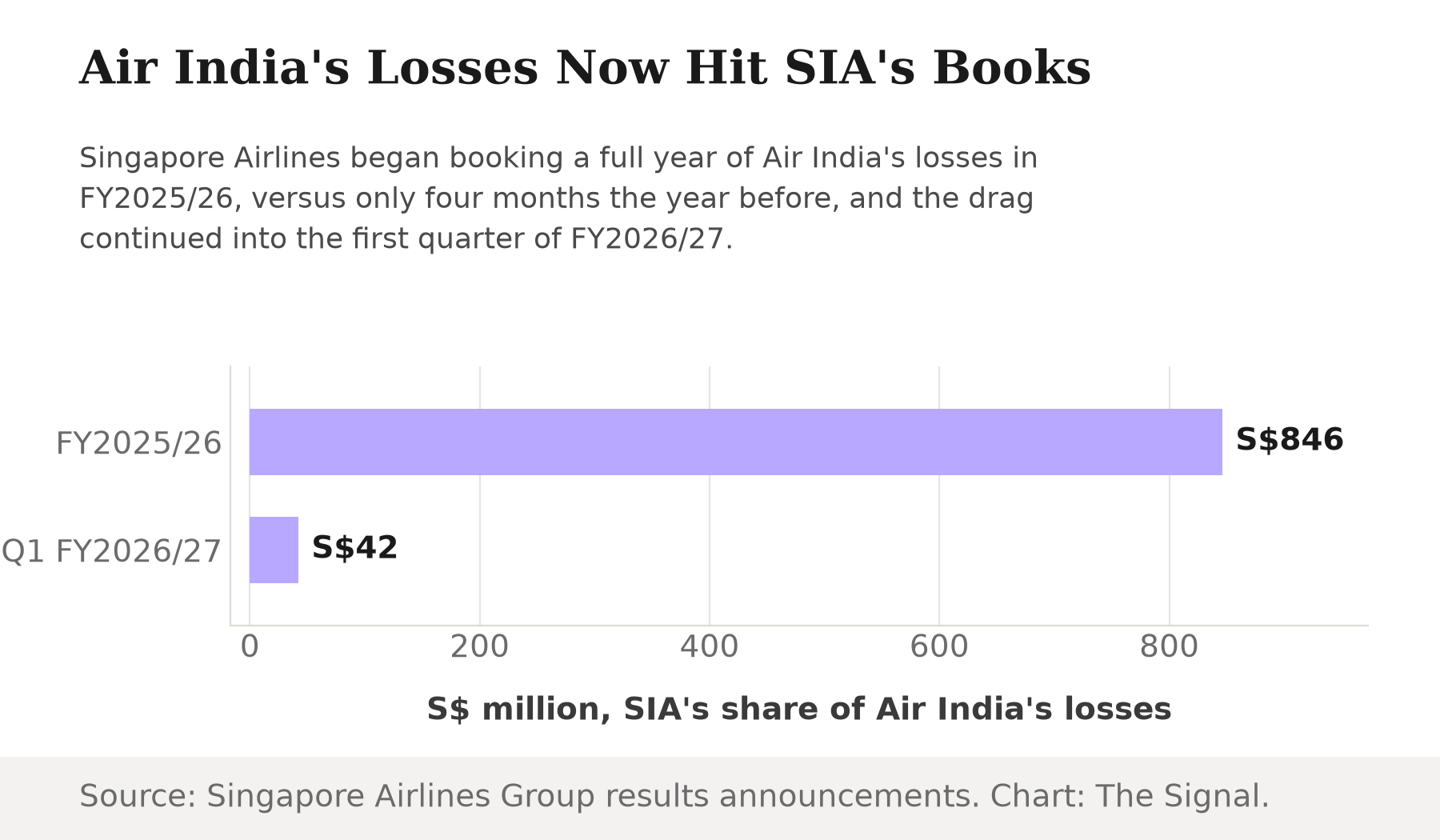
Despite that toll on its own results, Singapore Airlines has not pulled back in public. Singapore Airlines' FY2025/26 full-year results announcement states that the company is committed to its 25.1 percent investment in the Air India Group, calling it a core component of its long-term multi-hub strategy. And when the scrutiny turned political, Temasek publicly backed Singapore Airlines' continued investment amid growing scrutiny from a Singapore opposition lawmaker, the South China Morning Post reports.
The honest objection
The strongest case against reading this as a loss of confidence is that milestone-linked, staged funding is ordinary capital discipline, not a warning sign. Any investor putting billions into a loss-making turnaround should want performance triggers rather than a blank cheque, and both owners are still saying the right things in public: Singapore Airlines calls its stake a core, long-term commitment, and Temasek defended the investment even as a Singapore lawmaker pressed the government on it. Nothing here looks like an owner heading for the exit.
That case holds for the intent behind the money. It does not explain the change in form. For three years after the 2022 takeover, Air India's owners funded losses without publicly attaching this kind of mechanism, and as recently as October 2025 they had not even settled on whether the money would be a loan or equity, let alone milestones. An investor can be fully committed and still decide, after Rs 22,000 crore of one year's losses and a regulator tightening its own oversight of the parent, that the next rupee needs a trigger attached. Commitment and conditionality are not opposites. This time, Air India's owners chose both.
The Signal
The number to watch from here is not the size of the package. It is whether Air India hits the milestones the money is now tied to. If it does, the instalments keep flowing and the conditional structure becomes a formality that validates the turnaround story. If it does not, the owners now have a built-in, contractual reason to slow the money down, something they did not have when funding simply arrived. Unconditional support was the quiet assumption underwriting Air India's turnaround since the takeover. That assumption just ended, and the airline now has to earn each instalment on someone else's schedule.
Reporting basis: the size and structure of the approved funding package, and Air India's FY2025/26 loss, are per Bloomberg's coverage, carried by Business Today. The funding request figure, the combined Air India and Air India Express losses, and Temasek's public backing amid Singapore political scrutiny are per Reuters' coverage, carried by the South China Morning Post. The account of Air India's undecided funding structure in October 2025 is per a separate Bloomberg dispatch, carried by The Federal, the same wire origin as the Business Today piece. Singapore Airlines Group's net profit, its loss-sharing from Air India, its quarterly results, and its own description of its commitment to Air India are all from Singapore Airlines' own FY2025/26 and Q1 FY2026/27 results announcements. Tata Sons' inclusion on the list of Upper Layer NBFCs, and the regulator's note on its pending de-registration application, are from the Reserve Bank of India's own press release. The FY2024-25 capital infusion figures are per a PTI wire report, carried by Outlook Business. Tata Sons' consolidated net worth is from Tata Sons' own FY2024-25 Management Discussion and Analysis Report. The comparison of the requested and approved amounts, the share of combined losses the approved package covers, and the multiple of Tata Sons' net worth over the package size, are The Signal's calculations from those figures.