On July 16, 2026, the International Energy Agency's Global Critical Minerals Outlook 2026 put a number on what China's rare earth leverage could cost the world outside its borders. $6.5 trillion of production is exposed to supply shocks if Beijing's export curbs take full effect, with automotive facing more than $3 trillion of direct exposure, ahead of electronics and transport. Read at that scale, the story is about everyone: the United States, Europe and Japan all discovering how much of their industrial base runs through a handful of Chinese processing lines.
It is worth slowing down on that framing for a reader in India, because India is not simply one more economy caught in someone else's supply chain. It holds one of the specific things this crisis is about: rare earth ore in the ground.
India's known rare earth oxide resource, monazite sands and hard rock combined, runs past 7.3 million tonnes. India's Atomic Minerals Directorate for Exploration and Research estimates the country holds about 7.23 million tonnes of in-situ rare earth oxide, contained in 13.15 million tonnes of monazite sands spread across eight states, from Andhra Pradesh and Odisha to Kerala and Gujarat, according to a Lok Sabha reply from July 2025. Separately, the Department of Atomic Energy has found another 111,845 tonnes of in-situ rare earth oxide in hard rock at Balotra, Rajasthan, a Ministry of Mines backgrounder on the National Critical Mineral Mission reported in April 2025, beyond the coastal deposits.
| Resource | In-situ rare earth oxide | As of |
|---|---|---|
| Monazite sands, eight coastal and inland states | 7.23 million tonnes | July 2025 |
| Hard rock, Balotra, Rajasthan | 111,845 tonnes | April 2025 |
Source: Atomic Minerals Directorate, via PIB; Ministry of Mines, via PIB.
That scale never turned into a domestic industry.
The one refining line since 1963
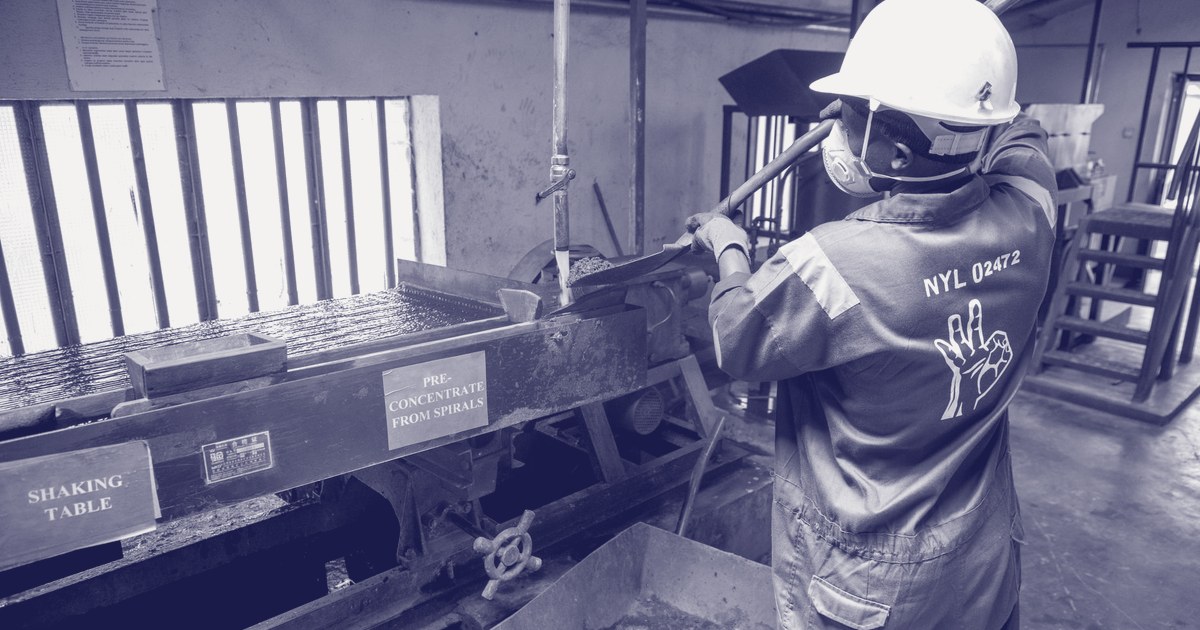
IREL (India) Limited has been the country's rare earth processor since 1963, and a February 2026 government backgrounder describes its current footprint: one Rare Earth Extraction Plant, in Odisha, and one Rare Earth Refining Unit, at Aluva in Kerala. Both sit inside a wider mineral-sands operation that processes 10 lakh tonnes a year, but most of that tonnage runs to ilmenite, rutile, zircon, sillimanite and garnet, not rare earth oxide. Sixty-three years is long enough to have built more than one extraction plant and one refining unit for a resource of this size, and long enough for that gap to surface somewhere else too: the import bill.
What the gap costs today
India's rare earth magnet imports depended on China for between 59.6 percent and 81.3 percent of value, and between 84.8 percent and 90.4 percent of quantity, in every year from FY2022-23 through FY2024-25, a Government of India explainer states, citing official trade data.
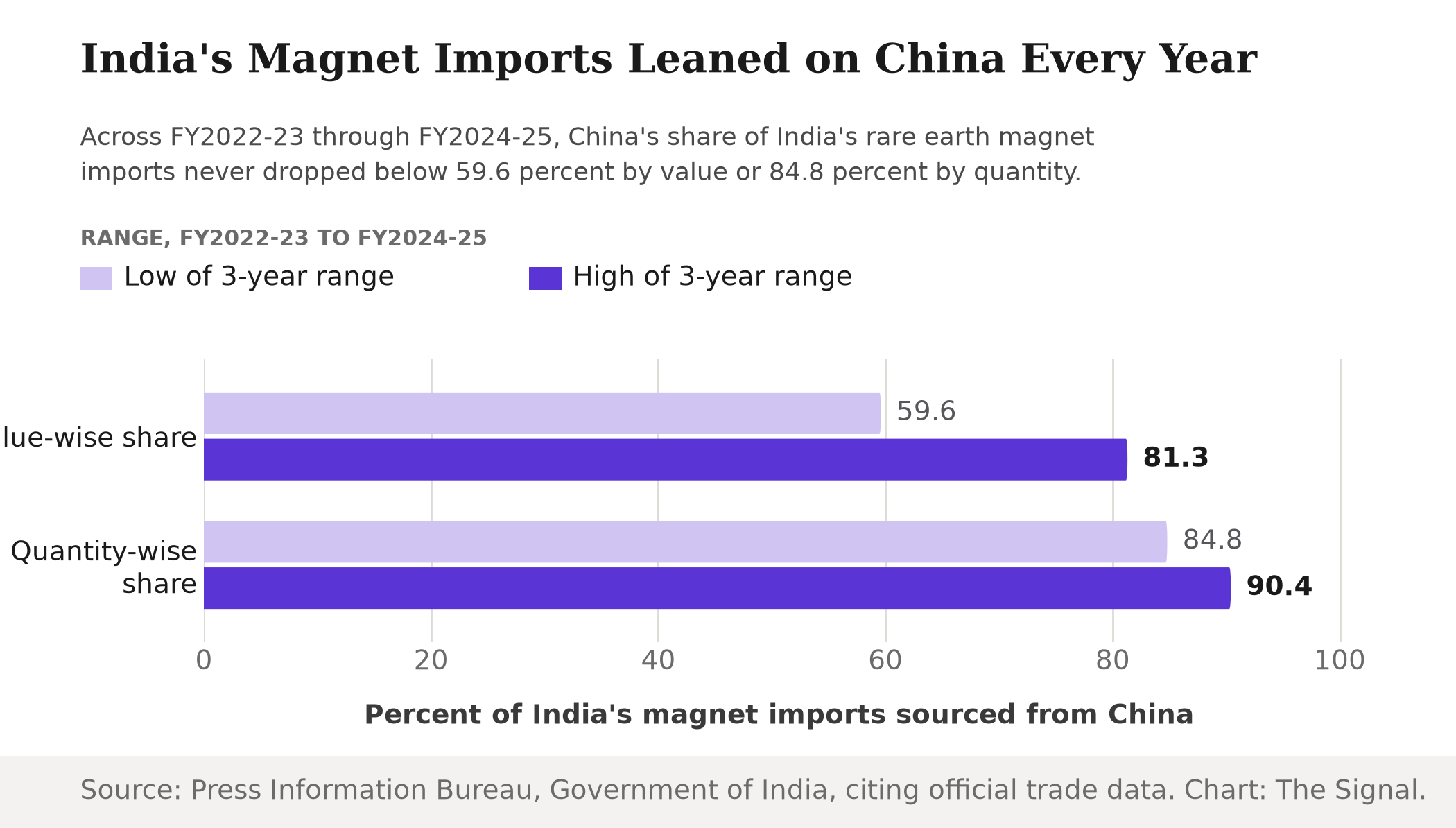
Chart: The Signal.
That dependence has already reached the factory floor. Chinese export-licensing delays disrupted 2025 production schedules at Indian automakers including Bajaj Auto, and pushed companies like Mahindra & Mahindra toward engineering workarounds, Outlook Business reported in September 2025. A resource sitting in Andhra Pradesh and Rajasthan did nothing to stop a licensing delay in Beijing from touching an assembly line in India.
Defence procurement carries the same exposure. India's own Ministry of Mines identifies Rare Earth Permanent Magnets as indispensable for aerospace systems and defence equipment, alongside precision sensors, electric vehicle motors, wind turbine generators, and electronics, a February 2026 government explainer states. The same China-dependent import pipeline that can idle a Bajaj Auto production line runs through defence platforms too.
China's leverage, and the size of the fix
The reason a paperwork delay in Beijing can idle a line elsewhere is straightforward. China produced 270,000 of the world's 390,000 tonnes of rare earth mine output in 2025, about 69 percent of the global total, the US Geological Survey's Mineral Commodity Summaries 2026 reports.
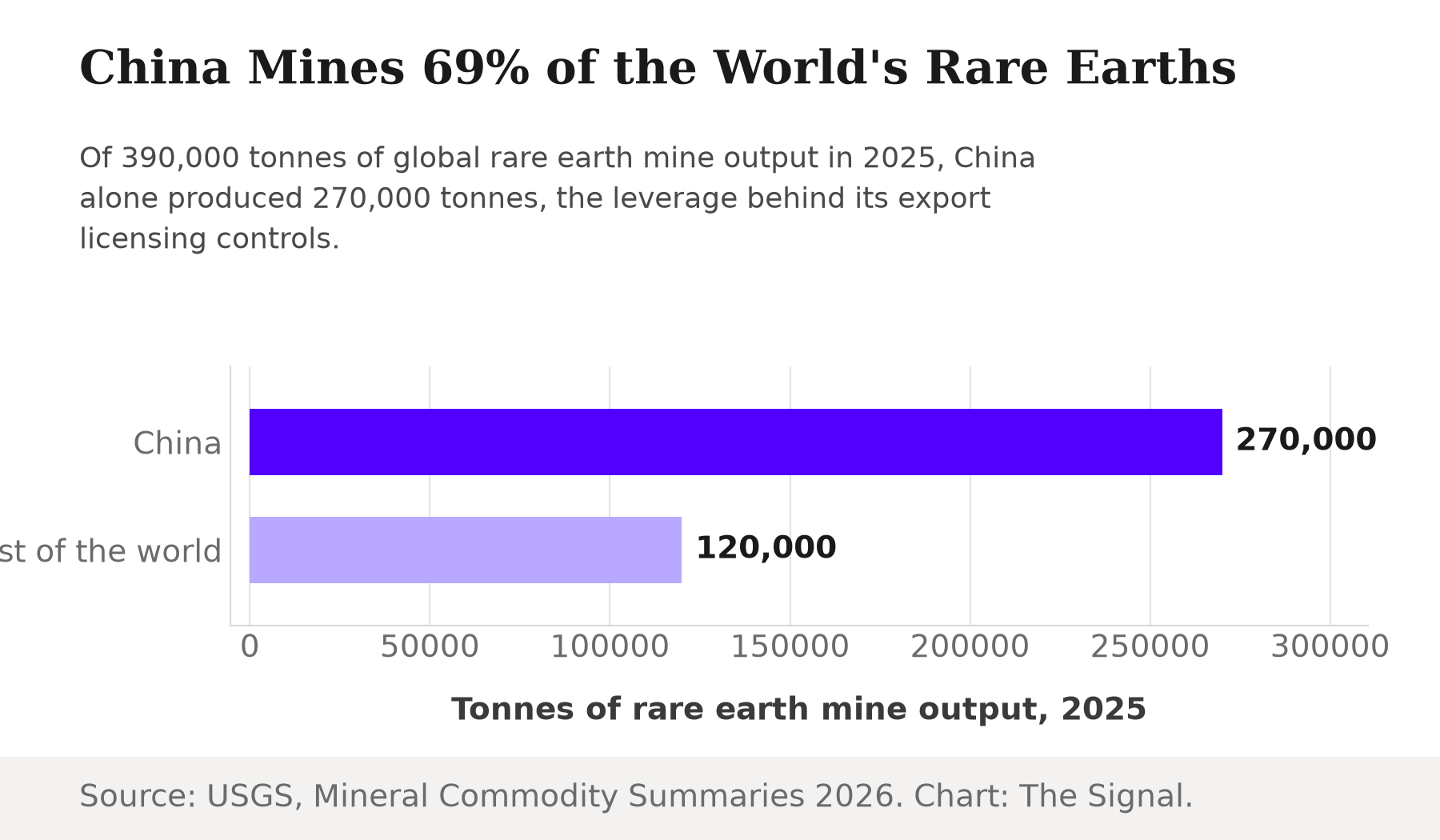
Chart: The Signal.
China's edge is not only current output, either. China's own reported rare-earth-oxide reserves stood at 44 million tonnes in 2025, against a rounded world total of more than 75 million tonnes, the same USGS survey shows, a reserve base alone roughly six times the more than 7.3 million tonnes of rare earth oxide sitting in India's monazite sands and Balotra hard rock combined.
That same USGS report tracks how China used that position in 2025. China tightened its rare earth export licensing three times in 2025, adding controls on 12 named elements between April and October before suspending the October round for a year in November.
India's answer, so far, is smaller than the exposure it is meant to close. On November 26, 2025, the Union Cabinet approved a Rs 7,280 crore scheme to build 6,000 tonnes a year of integrated rare earth permanent-magnet manufacturing capacity nationwide, a Ministry of Heavy Industries release states. Six thousand tonnes a year of finished magnet capacity is a start, not a substitute for the more than 7.3 million tonnes of rare earth oxide already sitting in the ground between the coastal monazite and the Balotra find, our calculation from the AMD and DAE figures above.
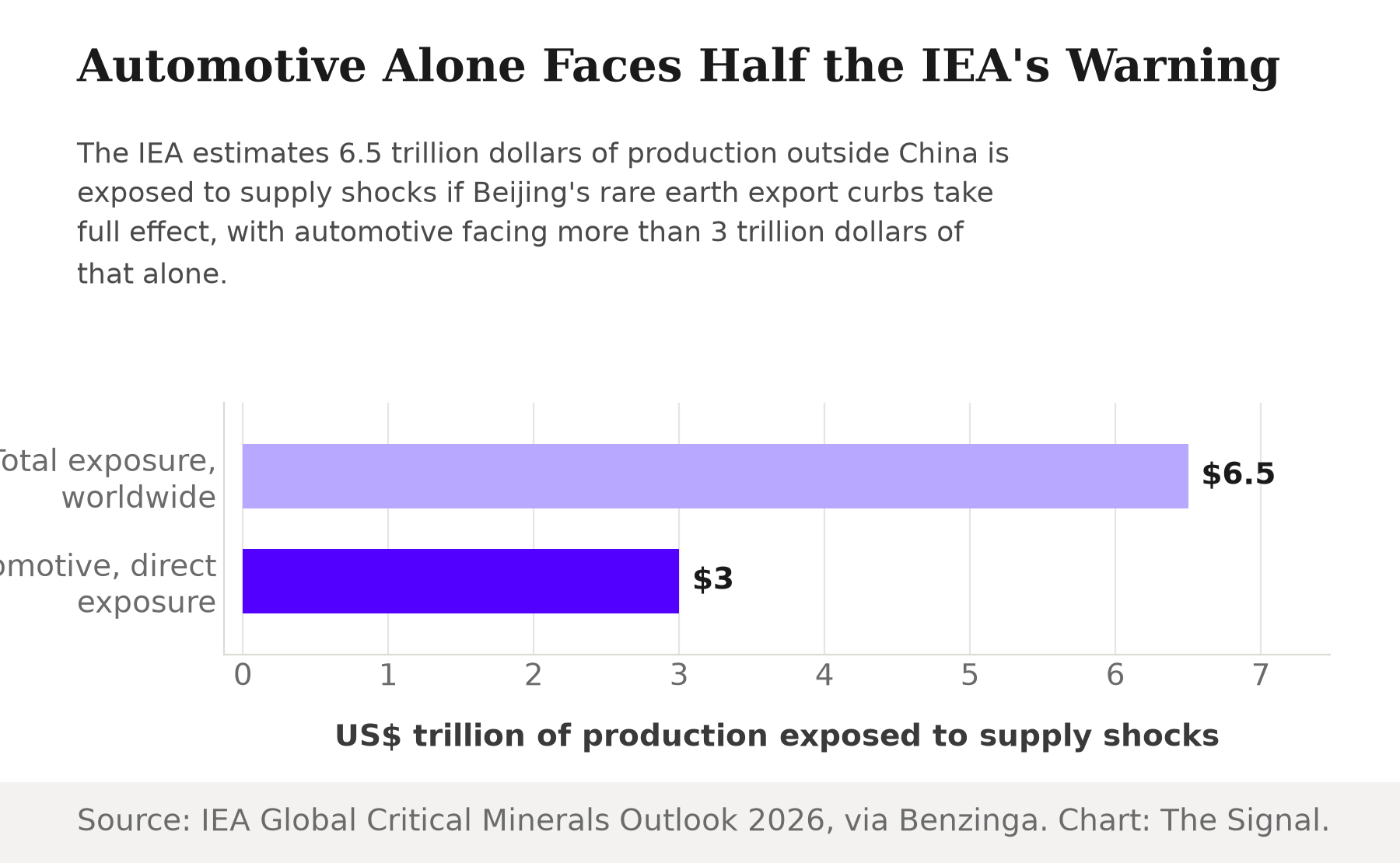
Chart: The Signal.
The honest objection
The strongest case against reading this as neglect is that monazite is not an ordinary ore. AMD's own description of the resource notes it is roughly 10 percent thorium oxide by weight, a radioactive material regulated as an atomic mineral. That is precisely why a single department-of-atomic-energy company, not a private or foreign one, has controlled its extraction and refining since 1963: this was never a resource India could simply hand to the fastest bidder, and a cautious, centralised build-out has a real safety rationale.
That case explains the caution. It does not explain the size of the fix. A country that has managed a radioactive ore safely enough to keep mining it for six decades has also had six decades to scale processing beyond one extraction plant and one refining unit. Hazard management explains why the field stayed narrow; a new scheme sized at 6,000 tonnes a year, against reserves in the millions and quantity-wise import dependence above 84 percent, is a choice about priority, not a limit imposed by the ore itself.
The Signal
The IEA's warning reads, on its surface, like the world discovering a Chinese chokehold it did not see coming. For India, it is closer to a resource that was always domestic being treated, for six decades, as someone else's problem to refine. Watch the 6,000-tonne-a-year target. Growth there would mean India finally building toward the resource it already owns; a stall would leave the one-year suspension on China's October 2025 controls as the only thing standing between Indian assembly lines and the next licensing delay. Ore in the ground has never protected a factory floor. Only refining capacity does.
Reporting basis: the rare earth reserve figures are from India's Atomic Minerals Directorate for Exploration and Research, as carried in a Lok Sabha reply and a National Critical Mineral Mission backgrounder, both via the Press Information Bureau. IREL's operating footprint is from a separate PIB backgrounder on India's rare earth strategy, and the Union Cabinet's magnet-manufacturing scheme is from a Ministry of Heavy Industries release, also via PIB. India's China import-dependence range is from a Government of India explainer citing official trade data. China's 2025 mine output, its global share and the 2025 export-control timeline are from the US Geological Survey's Mineral Commodity Summaries 2026. The IEA's $6.5 trillion exposure estimate is from its Global Critical Minerals Outlook 2026, as reported by Benzinga citing Reuters. The Bajaj Auto and Mahindra & Mahindra production disruptions are as reported by Outlook Business. The combined 7.3-million-tonne reserve total, and the framing of the new scheme's capacity against that total, are The Signal's calculations from the figures above.